Coverage
Oilfield Transport in Al Dhafra & the Western Region: Routes, Sites & Access
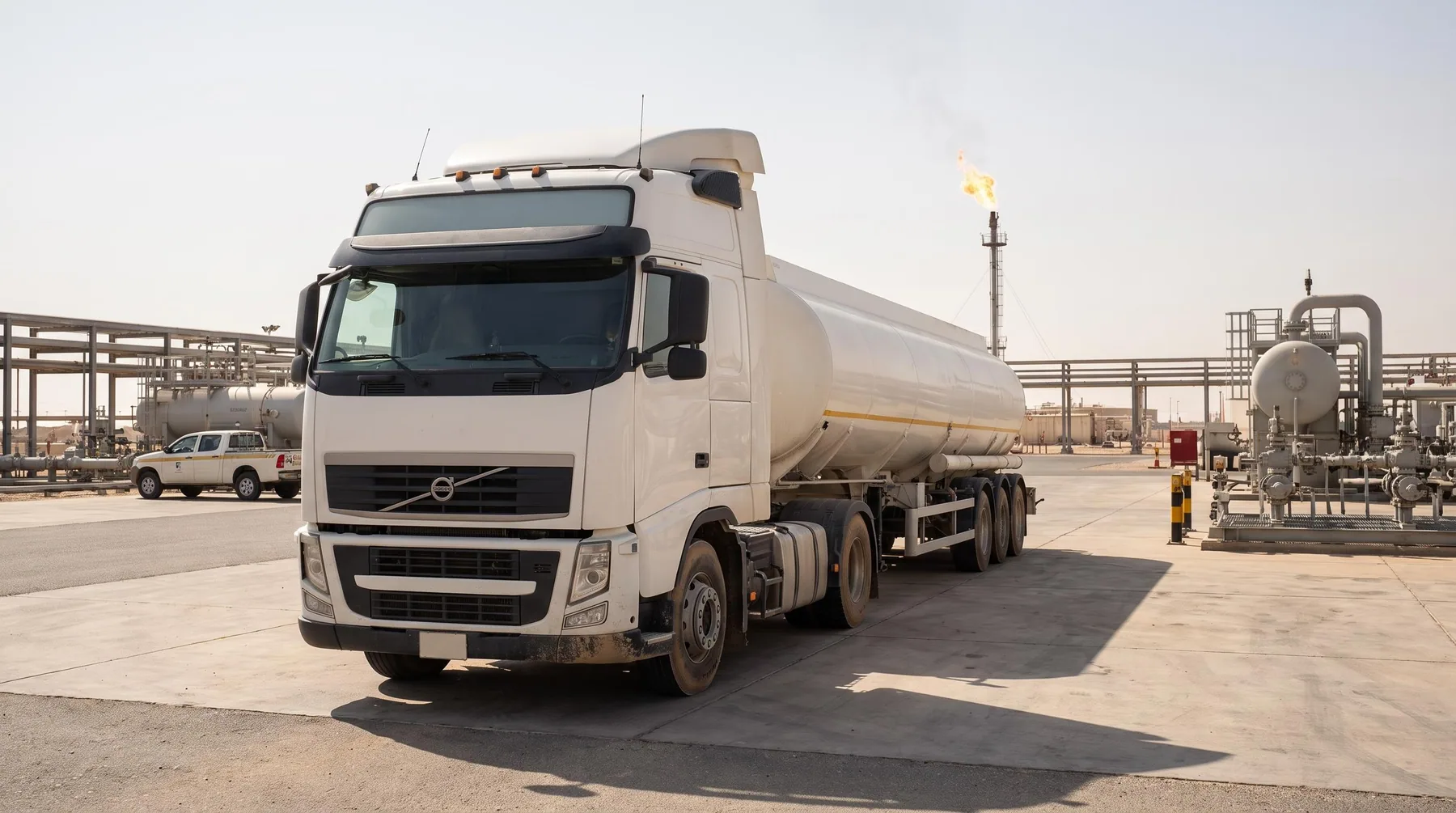
Oilfield transport in Al Dhafra (the Western Region) means hauling flatbed and lowbed loads, tankers and project cargo to ADNOC field sites spread from about 70 km to 330 km southwest of Musaffah — including Shah, Qusahwira, Bu Hasa, ASAB, Bab and Habshan. Each site sits behind CICPA-controlled access, so the load, the vehicle and the driver all need to be cleared before the gate. Decent Way is an ADNOC-approved transport supplier based in Musaffah with CICPA-cleared drivers and vehicles, running these Western Region routes day and night.
Approved, cleared & compliant

Where are the Western Region (Al Dhafra) fields — and how far from Musaffah?
Al Dhafra is Abu Dhabi’s Western Region — the large area running southwest from the city toward the Saudi border and the coast at Ruwais and Jebel Dhanna. Most of the emirate’s onshore oil and gas fields sit here, which is why the bulk of ADNOC field transport heads in this direction.
The practical point for planning is that the distances from our Musaffah base are fixed and known, so lead times and turnaround are predictable rather than guesswork. The list below covers the main sites from nearest to farthest.
- Al Dabb’iya — 70 km
- Mirfa / Hameem — 120 km
- Bab — 140 km
- Habshan — 150 km
- Bu Hasa — 190 km
- ASAB — 210 km
- Ruwais & Jebel Dhanna — 240 km
- Barakah — 250 km
- Shah — 270 km
- Qusahwira — 330 km
Related: Al Dhafra (Western Region) coverage Musaffah to Habshan & Bab route
Access and permits — CICPA at every field gate
Every ADNOC field in Al Dhafra sits behind a secured perimeter, and the gate is controlled by CICPA (the Critical Infrastructure and Coastal Protection Authority). Nothing enters without clearance: the driver, the vehicle and, in most cases, the load all have to be on an approved pass before mobilisation. A load turned back at the gate for missing paperwork wastes a full day on a 200 km-plus haul.
Our drivers and vehicles are CICPA-cleared, so we can plan the run against a known access position instead of scrambling for permits. Where the cargo is a dangerous good — fuel, chemicals or other hazmat — the tanker also moves under a Civil Defence (ADR) permit, and each unit carries IVMS GPS for the tracking oil and gas clients expect.
Related: What is a CICPA pass? Documents required for ADNOC field-site transport ADNOC field & CICPA site transport
Planning long overnight runs to the far fields
A haul to Shah (270 km) or Qusahwira (330 km) is not a quick errand — it is a planned journey with a defined route, rest points and an arrival timed to the site’s access window. Journey management matters most on these long desert legs, where the driver has to stay inside speed and hours-of-service limits and the whole run is monitored on IVMS.
Because we operate 24/7 with day and night shifts, we can run the far fields overnight — loading in the evening and arriving in the early morning, which often suits both the road temperature and a site that wants the delivery ready before the working day starts. Timing the run against the CICPA window, not office hours, keeps the truck moving instead of waiting.
Equipment for Western Region moves
Field moves in Al Dhafra cover a wide range of loads, so the right trailer depends on the item — not one size for everything. Our fleet spans flatbeds for general and containerised cargo, lowbeds for heavy plant, and tankers for fuel and liquids feeding the sites.
For oversized or very heavy items — a large vessel, skid or module — SPMT and 100 t-plus modular moves are available by arrangement, planned with the axle count and route survey the load needs. The point is to match the equipment to the cargo and the field access rather than force the job onto whatever is free.
- Flatbeds 40–60 ft for general, containerised and pipe cargo
- Three-axle lowbeds for heavy plant around 40–60 t
- Four-axle lowbeds for loads up to around 80 t
- 100 t-plus and SPMT / modular moves by arrangement
- Tankers for fuel and liquids feeding field sites
Related: Oil & gas tanker transportation
Field-by-field notes
The fields differ in distance and character, and knowing them shortens the planning. Below are the main sites we serve, each with its distance from Musaffah so you can gauge lead time at a glance. Sahil is another Western Region field, and Mirfa/Hameem and Al Dabb’iya sit on the nearer side of the region.
- Shah (270 km) — deep sour-gas field in the south; long overnight haul territory
- Qusahwira (330 km) — the farthest of the main sites, near the southern border
- Bu Hasa (190 km) — major established oil field in the central Western Region
- ASAB (210 km) — long-running field on the southern route
- Bab (140 km) — one of the nearer fields, off the Habshan corridor
- Habshan (150 km) — large gas processing hub anchoring the region
Related: Shah field transport Qusahwira field transport Bu Hasa field transport ASAB field transport
Why choose a Musaffah-based operator for Al Dhafra?
The short answer is response time and familiarity. Musaffah is the natural staging point for the Western Region — it is where the loads originate and where the fleet is based — so mobilising toward Shah, Bu Hasa or Habshan starts closer to the road than it would from farther out. Running these routes daily means the distances, the access points and the site rhythms are already known, not learned on the job.
That familiarity shows up as fewer surprises: the CICPA position is understood, the trailer is matched to the load, and the run is timed to the access window. Tell us the site, the load and the timing and we come back with a clear quote, usually within 2 business hours, with operations running 24/7.
Frequently asked questions
Which Al Dhafra / Western Region fields do you cover?
We cover the main onshore fields across Al Dhafra, including Shah (270 km), Qusahwira (330 km), Bu Hasa (190 km), ASAB (210 km), Bab (140 km), Habshan (150 km), Mirfa/Hameem (120 km), Sahil and Al Dabb’iya (70 km), all measured from our Musaffah base. Distances are fixed and known, so we can give you a predictable lead time.
Do your drivers and vehicles have CICPA clearance for these sites?
Yes. Every Western Region field sits behind CICPA-controlled access, and our drivers and vehicles are CICPA-cleared. Where the cargo is a dangerous good such as fuel or chemicals, the tanker also moves under a Civil Defence (ADR) permit, and each unit carries IVMS GPS. Clearing the paperwork before mobilisation avoids a load being turned back at the gate.
Can you run overnight deliveries to distant fields like Shah and Qusahwira?
Yes. We operate 24/7 with day and night shifts, so long hauls to Shah (270 km) and Qusahwira (330 km) can be planned as overnight runs — loading in the evening and arriving in the early morning, timed to the site’s CICPA access window. The whole journey is monitored on IVMS.
What equipment do you use for Western Region field moves?
It depends on the load. We run flatbeds (40–60 ft) for general and containerised cargo, three-axle lowbeds for around 40–60 t, four-axle lowbeds for loads up to around 80 t, and tankers for fuel and liquids. For oversized or very heavy items, 100 t-plus and SPMT/modular moves are available by arrangement with a route survey.
Why use a Musaffah-based transporter for Al Dhafra rather than one farther out?
Musaffah is the natural staging point for the Western Region — where the loads originate and the fleet is based — so mobilisation starts closer to the road. Running these routes daily means the distances, access points and site rhythms are already known, which shows up as faster response and fewer surprises on the job.
How quickly can you quote a Western Region field job?
We answer quotes within 2 business hours. Send us the field, the load (dimensions and weight) and the timing through the quote form, call +971 58 227 4083 or reach us on WhatsApp on the same number. Operations themselves run 24/7.